
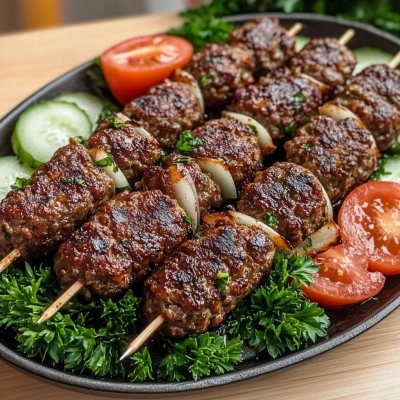
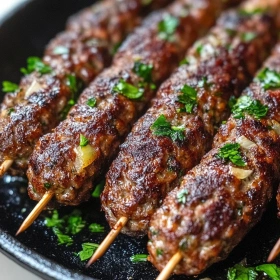
Lebanese Kafta Kofta Skewers are a beautifully simple dish of seasoned ground beef or lamb shaped into logs or skewers and grilled until smoky and deeply savory. You should make them because they deliver restaurant-level flavor with just a handful of ingredients, and that first bite is pure Mediterranean comfort. When I first tasted kafta hot off the grill, the aroma of parsley, onion, and spice rising through the smoke stopped me in my tracks. The texture is what won me over: crisp at the edges, tender in the center, and so juicy they practically melt over a mound of rice or warm flatbread.
Why I Love This Recipe
What fascinates me about kafta is how it reflects the everyday genius of Lebanese home cooking: humble ingredients transformed through precision, seasoning, and fire. It’s a dish rooted in the rhythm of family meals and mezze tables, where grilled meat shares space with herbs, salads, and cool yogurt. I love the way the mixture changes once the onion is finely grated and the parsley is chopped almost to a paste; the whole bowl becomes fragrant, almost emerald-green before it hits the heat. Professionally, I admire how kafta proves that structure matters as much as flavor. A well-mixed farce, a gentle hand when shaping, and a hot grill create that signature crust and succulent interior. It reminds me of summer kitchens, charcoal smoke, and the kind of food that disappears before it reaches the table.
What You Need From Your Kitchen
Box grater
Grating the onion finely helps release moisture and disperse flavor evenly without leaving chunky bits in the kafta
Chef’s knife
Essential for mincing parsley and herbs small enough to integrate cleanly into the meat mixture
Mixing bowl
You need a wide bowl to fold the seasoned meat gently so it stays tender and cohesive
Skewers
Metal or soaked wooden skewers help the kafta hold its classic shape and cook evenly over high heat
Grill or grill pan
The direct heat creates the charred exterior and smoky depth that define this dish
Perfect Pairings
Garlic yogurt sauce
Its cool tang softens the grilled richness and adds a creamy contrast to the smoky meat
Tabbouleh
The bright parsley, tomato, and lemon cut through the kafta’s savoriness and echo its herbaceous notes
Warm pita bread
Perfect for wrapping the skewers and catching the juices, making every bite more communal and satisfying
Crisp Lebanese white wine
A dry, mineral wine lifts the spice and complements the char without overpowering the herbs
Summer gatherings
This dish shines at outdoor dinners, mezze spreads, and relaxed weekend cookouts where smoky food feels celebratory
Pro Tips
- Grate the onion finely and squeeze out excess liquid before mixing. Too much moisture makes the kafta slack; a drier mixture grips the skewer better and browns with a deeper crust.
- Mix the meat just until the seasonings are evenly distributed. Overworking compacts the proteins, and kafta should feel tender and light, not dense like a meatball.
- Chill the shaped skewers before cooking. That brief rest firms the fat and herbs, so the skewers sear beautifully on the outside while staying juicy at the center.
- Press the meat snugly around flat skewers or firmly onto metal skewers. The shape matters: it creates more surface area for char and helps the kebabs cook evenly without spinning.
- Give the grill or pan a proper preheat. A hot surface creates those smoky, caramelized edges that define great kafta, while a cool surface steams the meat and dulls the flavor.
🍳 Your Cooking Progress
Ingredients Gathered
0/12 CompleteCooking Steps
0/7 CompleteRecipe Mastery
0% CompleteLebanese Kafta Kofta Skewers
Lebanese Kafta Kofta Skewers are all about balance: finely minced beef or lamb folded with parsley, onion, and aromatic seasoning, then shaped and grilled for a tender, flavor-packed bite. The seared exterior locks in rich juices while the inside stays succulent and fragrant.
Ingredients
💡 Click on ingredients to check them off!
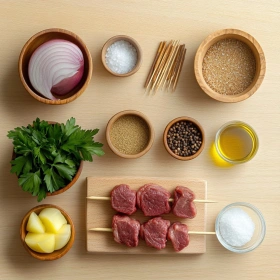
- 1 1/2 pounds ground beef or ground lamb
- 1 small yellow onion, finely grated
- 1/2 cup fresh parsley leaves, finely chopped
- 3 cloves garlic, minced
- 2 tablespoons plain breadcrumbs
- 1 teaspoon kosher salt
- 1 teaspoon ground allspice
- 1/2 teaspoon ground cumin
- 1/2 teaspoon ground cinnamon
- 1/2 teaspoon freshly ground black pepper
- 2 tablespoons extra-virgin olive oil
- 8 wooden or metal skewers
Instructions
💡 Click on steps to mark as complete!
-
1Build the aromatic baseGrate the onion finely so it melts into the meat rather than leaving crunchy bits, then squeeze out excess moisture. Mix it with parsley, garlic, breadcrumbs, and spices until fragrant. This is where kafta gets its lush, savory backbone and herbaceous brightness.
-
2Work the meat gentlyAdd the ground beef or lamb and seasonings, then mix just until combined. Overworking tightens the texture, so use a light hand. The mixture should feel tacky and cohesive, with the allspice and cinnamon giving that unmistakable warm Lebanese perfume.
-
3Shape the skewersDivide the mixture into equal portions and press each one around a skewer into an even log. Pinch lightly along the length for a ridged surface, which helps browning. Chill briefly if the mixture feels soft, so it holds beautifully on the grill.
-
4Preheat and prepare the grillHeat a grill, grill pan, or broiler until very hot and brush the grates with oil. High heat is essential for a deep sear without drying the meat. You want immediate sizzling, browning, and a little smoky char for authentic kafta flavor.
-
5Cook until deeply brownedGrill the skewers for 8 to 10 minutes total, turning carefully to color all sides. Look for crisped edges, rendered fat, and an internal temperature of 160°F for beef or 165°F for lamb. The aroma should be rich, spicy, and unmistakably savory.
-
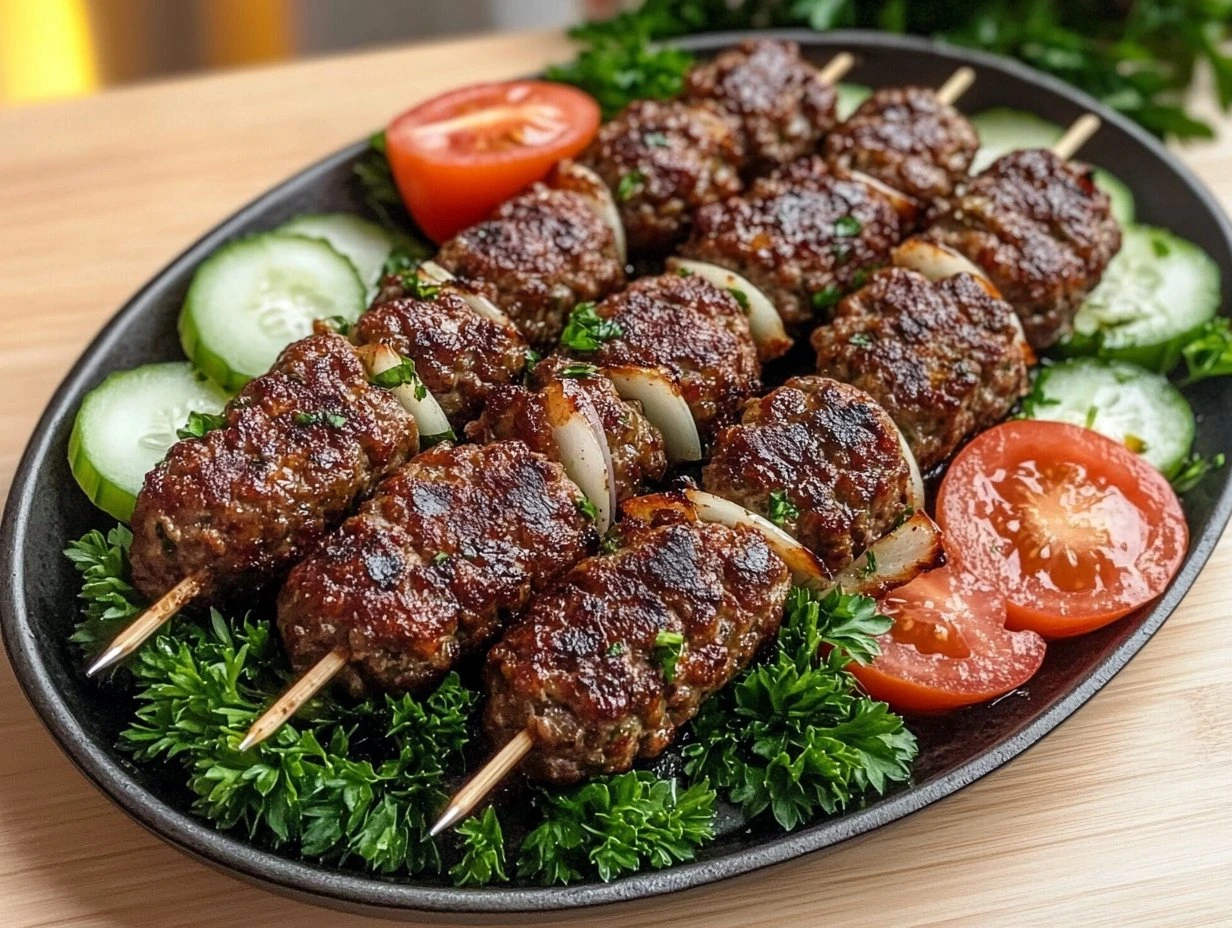
6Rest and finishTransfer the skewers to a plate and let them rest for 3 to 5 minutes so the juices settle back into the meat. A final drizzle of olive oil adds gloss and fruitiness. Fresh parsley, onions, and tomatoes make the plate feel bright and balanced.
-
7Serve with classic accompanimentsPlate the kafta with rice, flatbread, or a crisp salad, plus tahini or yogurt sauce if desired. The contrast of charred meat, cool herbs, and tangy sides is what makes this dish so satisfying and deeply rooted in Lebanese hospitality.
Nutrition Facts (Per Serving)
Chef's Notes
- Refrigerate uncooked kafta mixture for up to 24 hours, tightly covered. The onions and herbs perfume the meat, and the chill helps the skewers hold their shape when grilling.
- For make-ahead prep, shape the kafta around skewers, lay them on a parchment-lined tray, and freeze until firm. Transfer to a bag for easy grilling straight from frozen-thawed later.
- Cooked Lebanese Kafta Kofta Skewers keep well for 3 to 4 days in the fridge. Store them with any juices so the meat stays succulent instead of drying out.
- If using lamb, choose a mix with some fat for that lush, savory bite. Lean beef works too, but add a touch of olive oil to preserve tenderness and keep the texture juicy.
- Leftover kafta is excellent tucked into pita with tahini or labneh. Slice it off the skewer, rewarm gently, and the spices bloom again without overcooking the meat.