
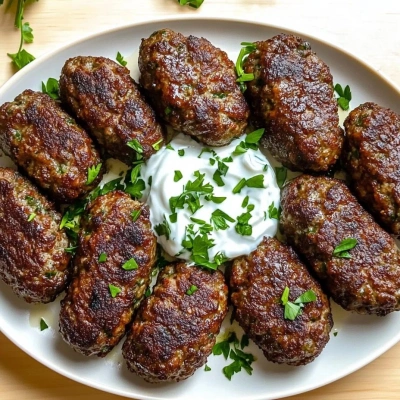
Traditional Beef Kofta Recipe is a richly spiced, hand-formed beef dish with a gorgeous charred crust and a tender, juicy center. Make it when you want a deeply satisfying meal that delivers bold flavor fast, with very little fuss. I first fell for kofta in a bustling Middle Eastern kitchen, where the smell of sizzling cumin, garlic, and parsley drifted through the air and stopped everyone in their tracks. What makes this dish so rewarding is the balance: robust meat, bright herbs, and that irresistible seared finish that turns simple ingredients into something memorable.
Why I Love This Recipe
What I love most about kofta is how it carries the spirit of so many cuisines that celebrate minced meat with precision and pride—from Levantine grills to Turkish ocakbaşı, from Persian kebab traditions to home kitchens where recipes are guarded and lovingly repeated. This dish teaches you discipline as much as flavor: the mince must be seasoned just enough, mixed until cohesive, and shaped with confidence so it cooks evenly and stays succulent. I still remember watching a cook press the meat gently around a skewer, his hands moving with the calm assurance of someone who knew exactly when to stop. That moment stayed with me. Kofta is humble, but in the right hands it becomes elegant, fragrant, and wonderfully alive on the plate.
What You Need From Your Kitchen
Mixing Bowl
You need a roomy bowl to combine the beef, aromatics, herbs, and spices evenly without overworking the mince
Skewers or shaped molds
Essential for forming the kofta into uniform logs so they hold together and cook with that classic grilled profile
Cast Iron Skillet or Grill Pan
This gives the kofta the high, even heat needed for deep browning and a smoky, caramelized crust
Tongs
Helpful for turning the kofta gently so the exterior stays intact while developing an even sear
Microplane or Fine Grater
Perfect for grating onion or garlic finely so the mixture stays cohesive and moist
Perfect Pairings
Garlicky yogurt sauce
Its cool tang softens the warm spices and highlights the juicy beef
Warm flatbread
Ideal for scooping up every drip of meat juices, herbs, and sauce
Cucumber-tomato salad
The crisp, acidic freshness cuts through the richness and keeps each bite lively
Mint tea or a dry red wine
Mint tea echoes the herbaceous notes, while red wine complements the char and savory depth
A mezze spread for gatherings
Serve with hummus, olives, and pickles for a festive dinner that feels generous and welcoming
Pro Tips
- Use beef with enough fat, ideally around 15-20 percent. Kofta made from very lean meat tastes dry and tight; fat carries the warm spices and gives that juicy, almost silky bite.
- Grate or finely mince the onion, then squeeze out excess liquid before mixing. Too much moisture loosens the mixture, while a drier onion base helps the kofta bind and brown with a crisp, savory crust.
- Mix just until combined, not pasty. Overworking the meat compacts the proteins and creates a dense, bouncy texture instead of the tender, crumbly-yet-cohesive bite that defines a great kofta.
- Chill the shaped kofta before cooking. A short rest in the refrigerator firms the fats and proteins, so the pieces keep their form on the grill or pan and sear more evenly.
- Cook over medium-high heat, not raging heat. You want deep caramelization and smoky edges without scorching the spices; a controlled sear preserves the aromatic interior and keeps the exterior beautifully bronzed.
🍳 Your Cooking Progress
Ingredients Gathered
0/12 CompleteCooking Steps
0/7 CompleteRecipe Mastery
0% CompleteTraditional Beef Kofta Recipe
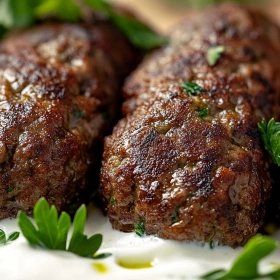
Traditional Beef Kofta Recipe celebrates a classic hand-shaped mince, seasoned with fragrant spices and fresh herbs, then seared until beautifully browned. The result is tender inside, caramelized outside, and full of layered flavor that feels both rustic and refined.
Ingredients
💡 Click on ingredients to check them off!
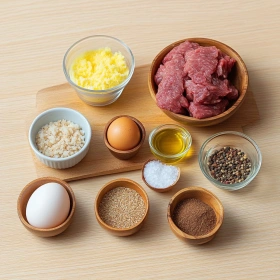
- 1 pound ground beef (80/20)
- 1 small yellow onion, finely grated
- 2 cloves garlic, minced
- 1/4 cup fresh parsley, finely chopped
- 1 large egg
- 1/3 cup plain breadcrumbs
- 1 teaspoon ground cumin
- 1 teaspoon ground coriander
- 1/2 teaspoon ground cinnamon
- 1 1/2 teaspoons kosher salt
- 1/2 teaspoon freshly ground black pepper
- 2 tablespoons extra-virgin olive oil
Instructions
💡 Click on steps to mark as complete!
-
1Build the aromatic baseGrate the onion finely so it melts into the meat, then squeeze out excess moisture to prevent a loose mixture. Combine it with garlic, parsley, egg, and breadcrumbs, letting the fresh herbs perfume the bowl before the beef goes in.
-
2Season with purposeAdd the cumin, coriander, cinnamon, salt, and black pepper directly to the mixture, then fold everything gently with your hands. The goal is a cohesive, lightly sticky blend, not a dense paste, so mix just until the spices are evenly distributed.
-
3Shape the koftaDivide the mixture into 8 equal portions and form oval cylinders around skewers or into hand-shaped logs. Keep your hands lightly oiled or damp for a smooth surface, which helps the kofta brown evenly and hold its elegant shape.
-
4Chill for structureRest the shaped kofta in the refrigerator for at least 20 minutes. This short pause firms the fats and lets the seasonings settle, a simple professional step that dramatically reduces the chance of splitting during cooking.
-
5Sear to develop crustHeat the olive oil in a heavy skillet or grill pan over medium-high heat until shimmering. Cook the kofta in batches, turning carefully to brown all sides, allowing a deep mahogany crust to form while the interior stays juicy.
-
6Finish with controlled donenessReduce the heat slightly if the exterior browns too fast, and cook until the kofta reach an internal temperature of 160°F. A gentle hand preserves tenderness, while the rendered beef fat creates that unmistakable savory aroma.
-
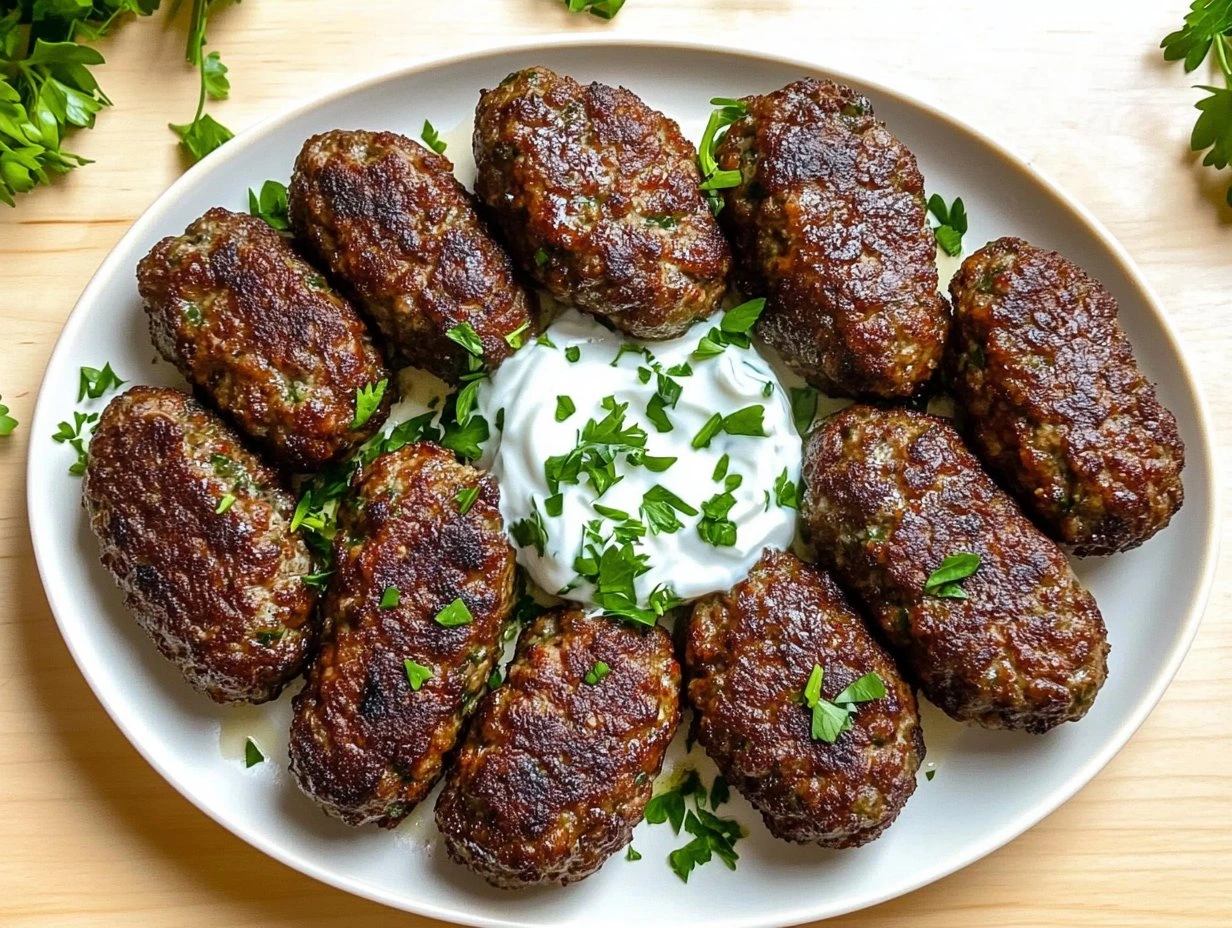
7Rest and serve beautifullyTransfer the kofta to a warm platter and rest for 3 to 5 minutes so the juices redistribute. Garnish with extra parsley and serve with rice, flatbread, or yogurt sauce to catch every fragrant, spiced bite.
Nutrition Facts (Per Serving)
Chef's Notes
- Cooked beef kofta keeps beautifully in the refrigerator for 3-4 days in an airtight container. Store the tahini or yogurt sauce separately so the herbs stay bright and the kofta crust doesn’t soften too quickly.
- For make-ahead prep, shape the kofta up to 24 hours in advance and refrigerate them on a lined tray. Chilling firms the mixture, helping the kebabs hold their oval shape and develop better browning.
- Freeze uncooked kofta on a tray until solid, then transfer to a freezer bag for up to 2 months. Thaw overnight in the fridge before cooking so the centers cook evenly without drying out.
- If you need to substitute beef, lamb works especially well for a richer, more aromatic result. A 50/50 beef-lamb blend also gives great juiciness and a deeper, more traditional Middle Eastern flavor profile.
- Leftover kofta reheat best gently in a covered skillet with a splash of water or broth. This restores succulence and prevents the exterior from becoming leathery while the spices stay fragrant.