
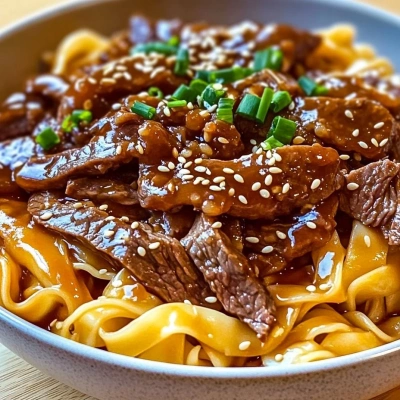
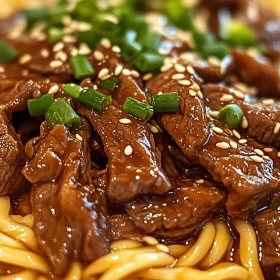
Korean Beef Noodles are a slow-cooked masterpiece that you must try. This dish combines tender beef with chewy noodles, all bathed in a rich, spicy gochujang sauce. The slow cooking method allows the flavors to meld beautifully, creating a comforting and deeply satisfying meal. As a chef, discovering this dish was like uncovering a hidden gem of Korean cuisine. The balance of heat, sweetness, and umami is simply irresistible, making it a must-have for any food lover seeking bold flavors.
Why I Love This Recipe
This dish hails from the heart of Korean comfort food, where slow cooking transforms simple ingredients into a symphony of flavors. I first encountered Korean Beef Noodles during a culinary journey in Seoul, where the aroma of simmering beef and spices filled the air. The technique of slow cooking is fascinating, as it allows the beef to become incredibly tender, absorbing the complex layers of gochujang, soy, and sesame. For a professional cook, the harmony of textures and flavors is a delightful challenge to master. Each bite evokes memories of bustling Korean markets and the warmth of shared meals, making it a dish that resonates deeply with both tradition and innovation.
What You Need From Your Kitchen
Slow Cooker
Essential for achieving tender beef and melding flavors over hours
Sharp Knife
For precise slicing of beef to ensure even cooking
Mixing Bowl
To combine gochujang and other ingredients smoothly
Tongs
For easy handling of noodles and beef without breaking them
Perfect Pairings
Kimchi
Its tangy spice complements the rich beef flavors
Jasmine Rice
A neutral base that balances the dish's boldness
Green Tea
Its subtlety cleanses the palate between bites
Steamed Vegetables
Add freshness and color, enhancing the meal's appeal
Sake
Offers a delicate sweetness that pairs well with the savory noodles
Pro Tips
- Sear the beef before slow cooking to lock in juices and develop a deep, caramelized flavor that enhances the dish.
- Use a mix of soy sauce and gochujang for the sauce. This combination adds a perfect balance of umami and heat.
- Add a splash of sesame oil at the end for a nutty aroma that elevates the dish's complexity and richness.
🍳 Your Cooking Progress
Ingredients Gathered
0/12 CompleteCooking Steps
0/6 CompleteRecipe Mastery
0% CompleteKorean Beef Noodles: Slow Cooker Comfort
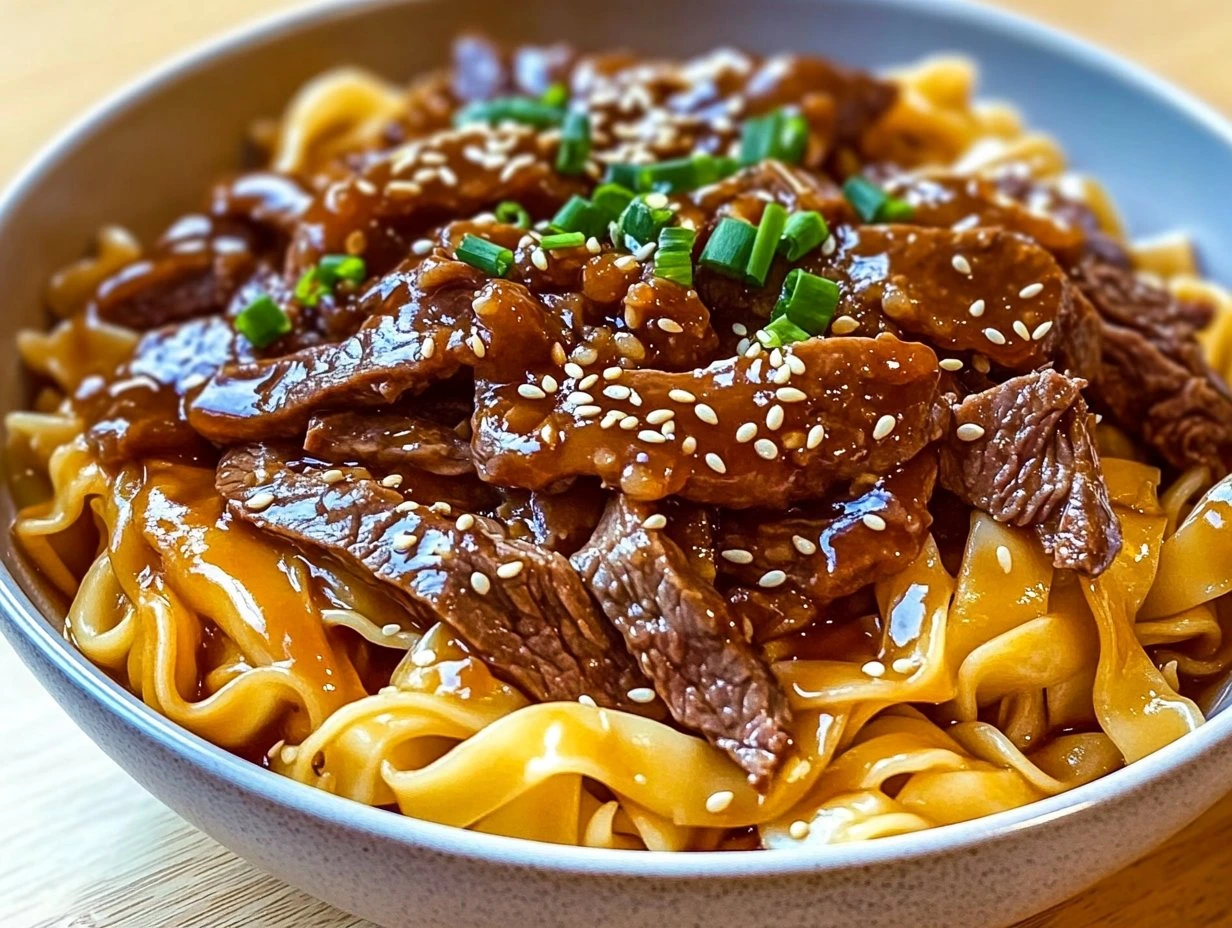
Experience the magic of slow-cooked beef, melting into a luscious sauce with gochujang's bold heat. The noodles soak up every drop, creating an unforgettable umami-rich experience.
Ingredients
💡 Click on ingredients to check them off!
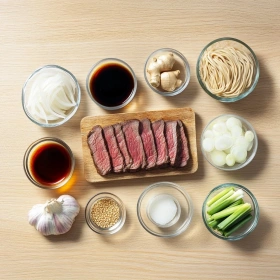
- 1 pound beef chuck, sliced thinly
- 2 tablespoons sesame oil
- 1/4 cup soy sauce
- 3 tablespoons gochujang
- 2 tablespoons brown sugar
- 4 cloves garlic, minced
- 1 tablespoon ginger, grated
- 1 onion, sliced
- 8 ounces egg noodles
- 2 cups beef broth
- 1 tablespoon sesame seeds
- 2 green onions, chopped
Instructions
💡 Click on steps to mark as complete!
-
1Prepare the BeefSlice the beef chuck into thin strips, ensuring even thickness for uniform cooking. This enhances tenderness and flavor absorption.
-
2Create the MarinadeIn a bowl, mix soy sauce, gochujang, brown sugar, garlic, and ginger. Whisk until smooth, balancing sweetness and heat.
-
3Combine IngredientsIn a slow cooker, layer beef, onion, and marinade. Stir to coat evenly, allowing flavors to meld during cooking.
-
4Cook SlowlySet the slow cooker to low for 6-8 hours. The gentle heat will tenderize the beef, infusing it with rich, savory notes.
-
5Prepare the NoodlesCook egg noodles according to package instructions. Drain and toss with sesame oil for a nutty aroma.
-
6Assemble the DishServe beef over noodles, garnished with sesame seeds and green onions. The final touch adds freshness and crunch.
Nutrition Facts (Per Serving)
Chef's Notes
- Store leftovers in an airtight container in the fridge for up to 3 days. Reheat gently to maintain the tender texture of the beef.
- Freeze the cooked beef separately from the noodles. This prevents the noodles from becoming mushy when reheated.
- Substitute rice noodles for a gluten-free option. They absorb the rich sauce beautifully, enhancing the dish's depth of flavor.
- Prepare the beef a day ahead to let the flavors meld. This also makes it easier to skim off any excess fat.